 +4 photos
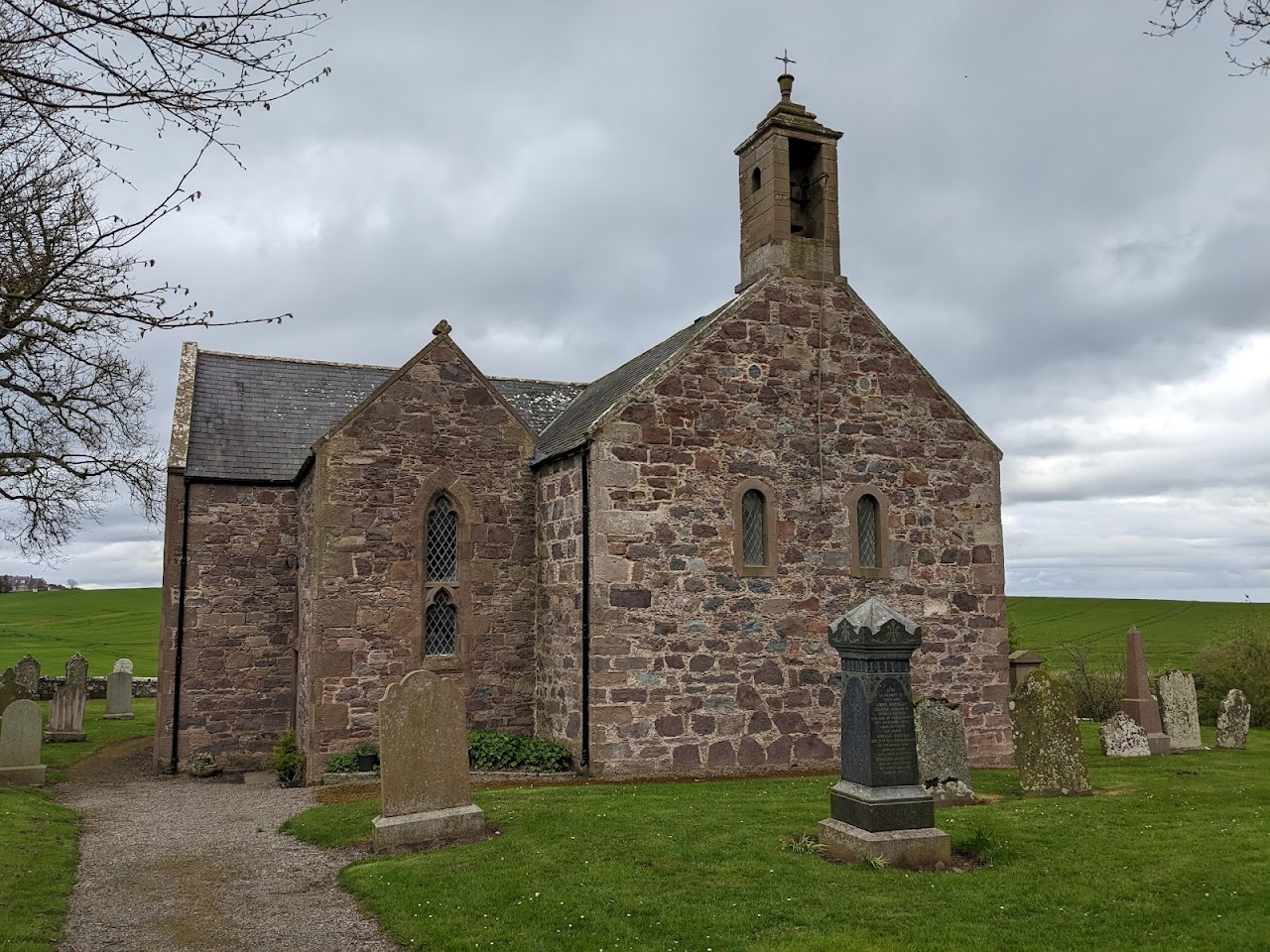
"When Cromwell's army besieged Dunnottar in 1652 to seize the Scottish Crown Jewels, the minister's wife, Christian Grainger, smuggled them out hidden among bundles of flax, carrying them past English soldiers to the nearby church of Kinneff, where her husband hid them beneath the floor. They stayed there for eight years."
About
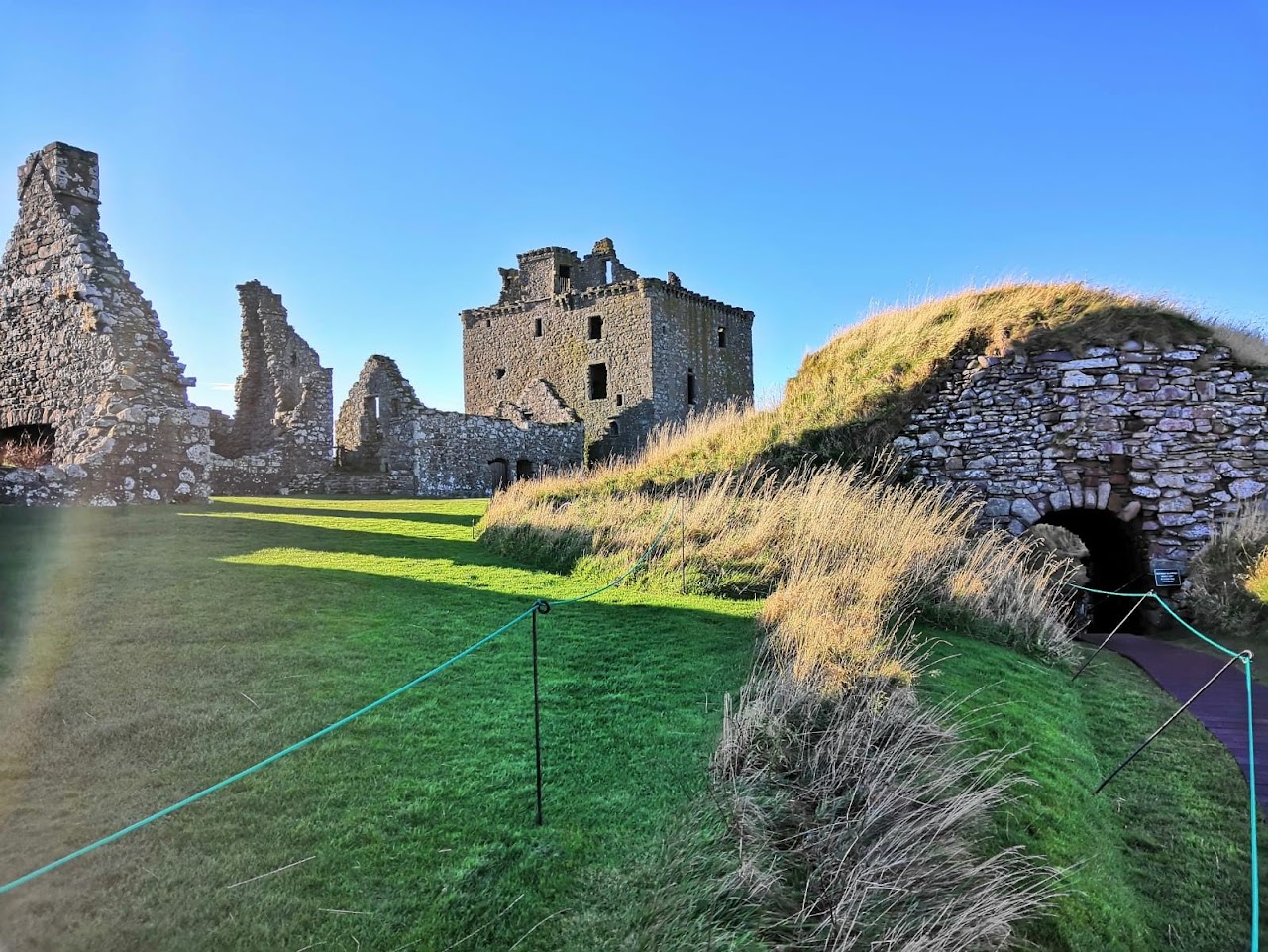
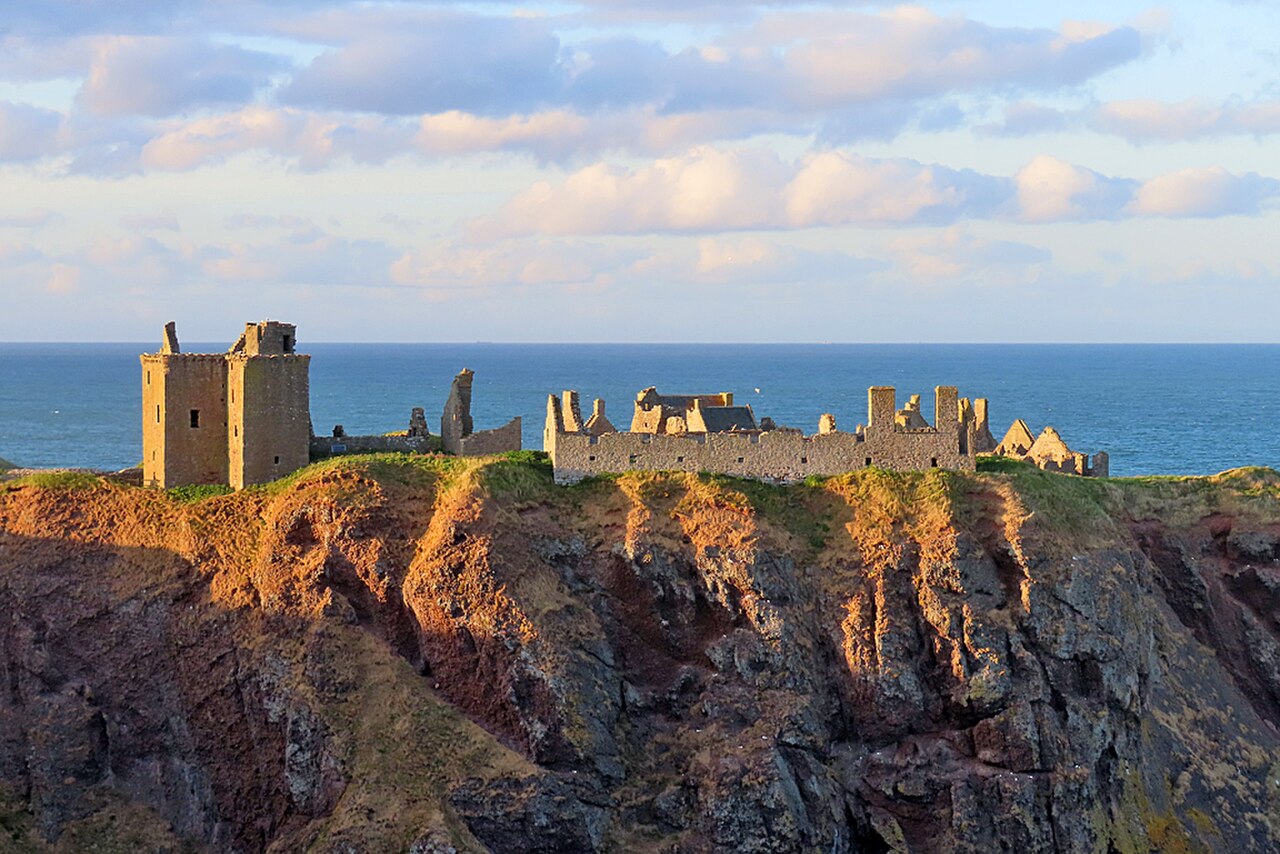
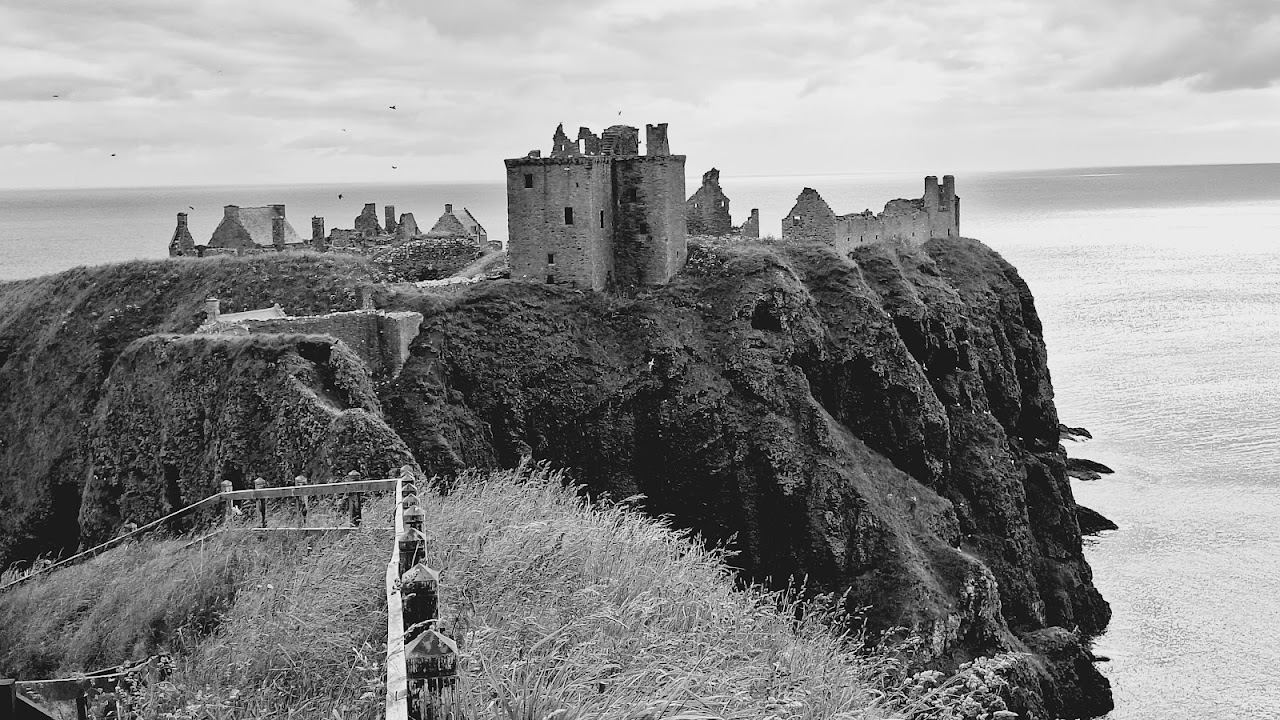
Dunnottar Castle occupies a flat-topped sea stack connected to the mainland by a narrow, vertiginous path that drops to the shore and climbs back up through a cave. It is the most dramatically sited castle in Scotland, and the competition is fierce. The North Sea crashes against three sides of the headland, sending spray over the ruins on stormy days. On clear mornings, the cliffs glow red-gold in the sunrise, and the castle looks like something painted rather than built.
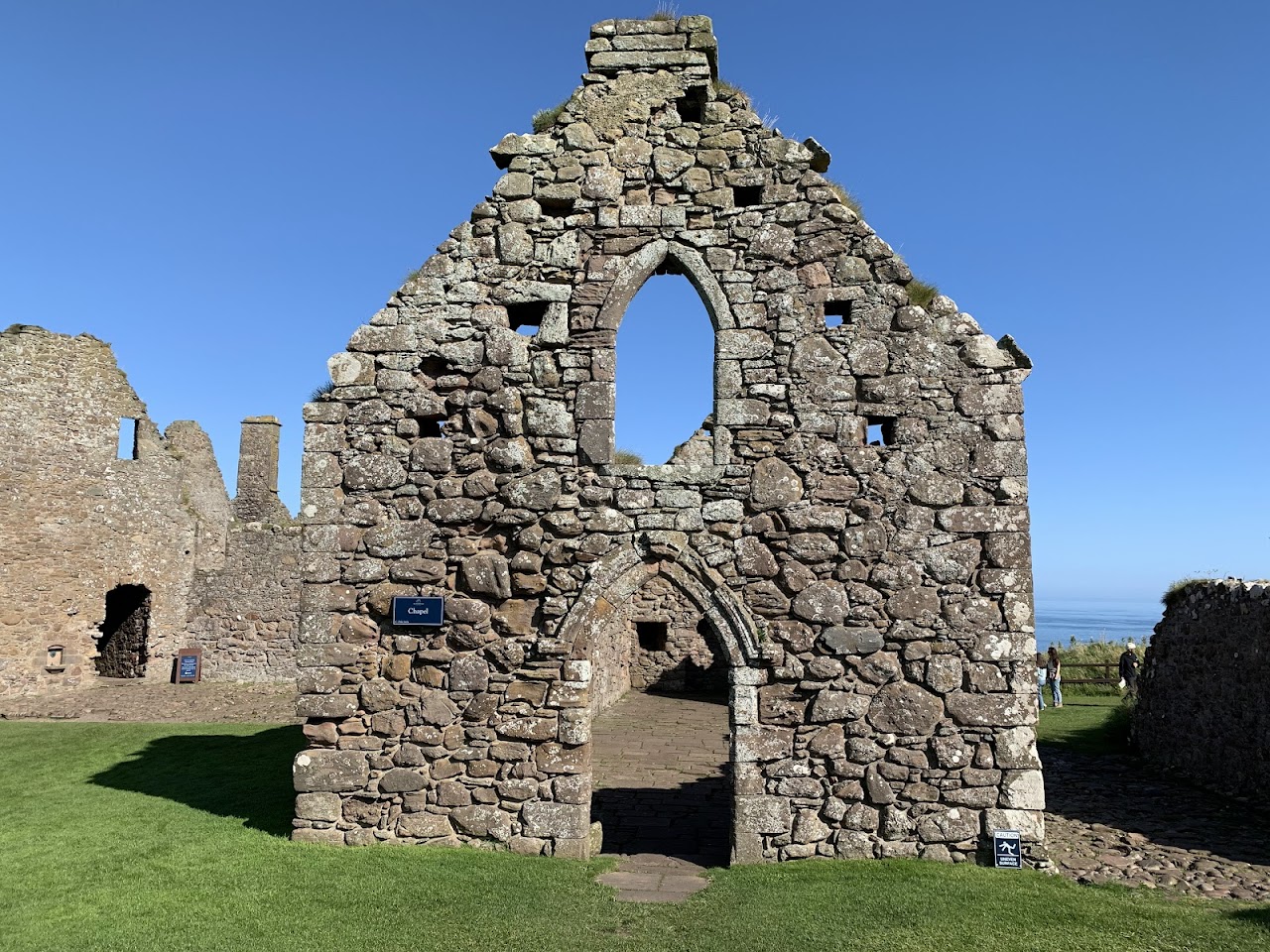
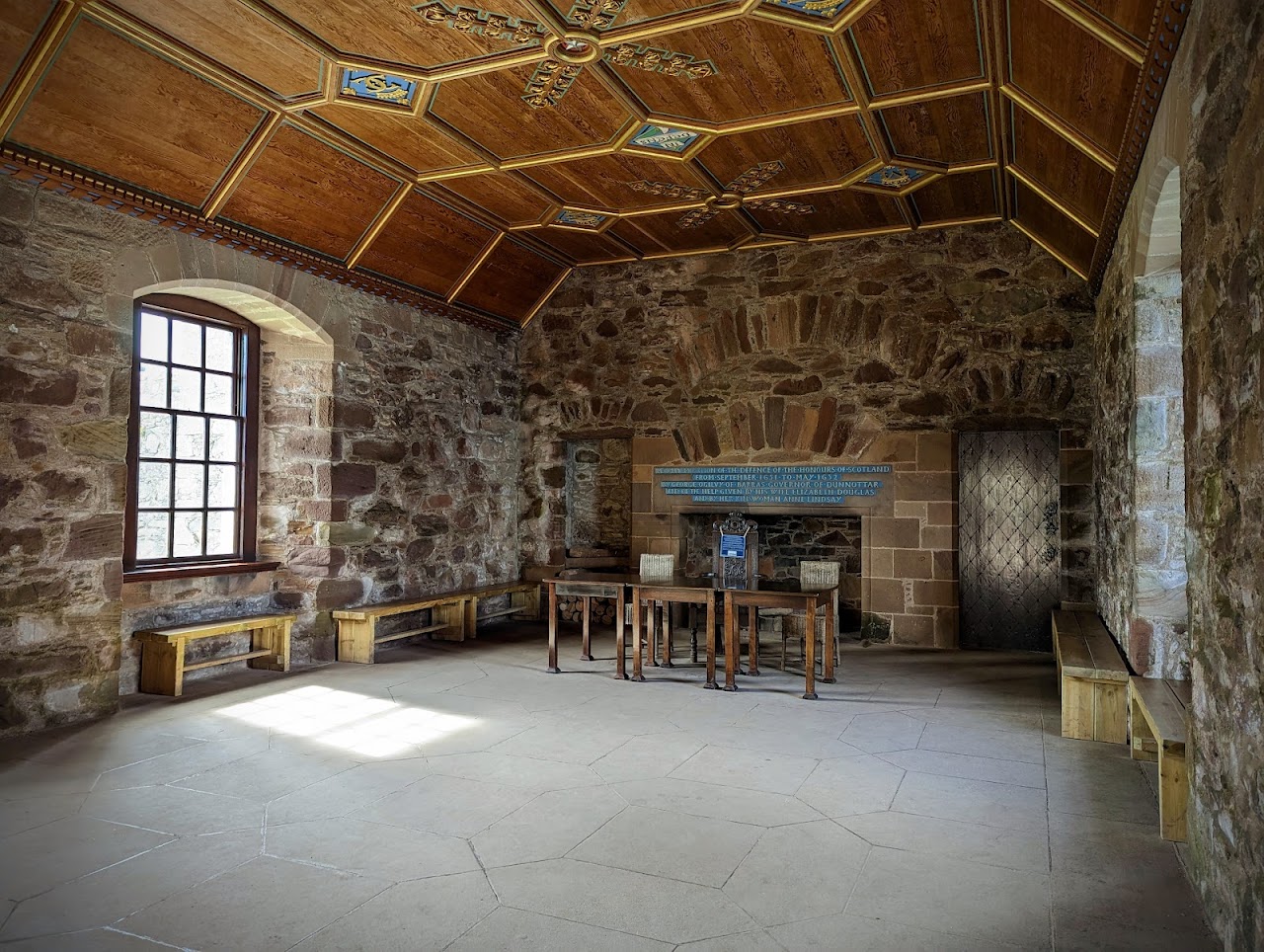
William Wallace stormed Dunnottar in 1297, burning an English garrison alive in the chapel. The Covenanters imprisoned here in 1685 — 122 men and 45 women crammed into the Whigs' Vault — endured conditions so horrific that some leapt from the cliffs rather than recant their faith. But Dunnottar's finest hour came in 1651-52, when the Honours of Scotland were held here against Cromwell's eight-month siege. The crown, sceptre, and sword were smuggled out by a minister's wife and hidden under a church floor for eight years — the only British crown jewels to survive the Commonwealth.
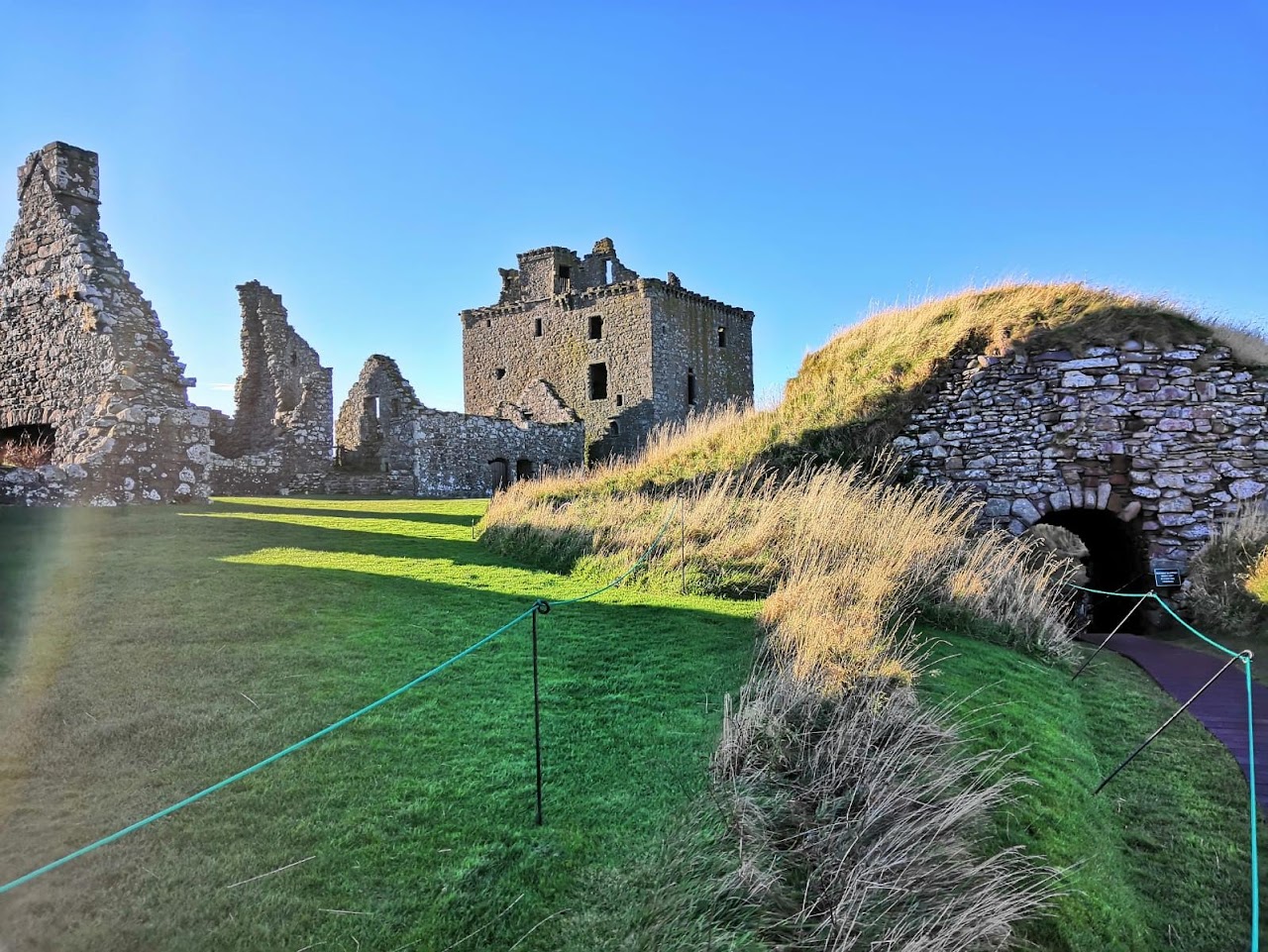
The ruins spread across three acres of headland — a 14th-century tower house, a 16th-century palace, a chapel, stables, a brewery, and a smithy, all open to the sky and the wind. The path down and back up is steep but short, and the reward is one of the most photogenic castle views in the world. Franco Zeffirelli filmed Hamlet here with Mel Gibson; the castle was the inspiration for Pixar's Brave. Visit in autumn when the haar rolls in off the sea and the ruins appear and disappear like a dream.
Videos
Loading videos...
Getting There
Terrain & Accessibility
Dramatic clifftop ruin accessible only by a steep, narrow path with many uneven steps cut into the rock. Not accessible for wheelchair users or those with significant mobility issues. The path descends steeply then climbs to the headland. Allow 30 minutes for the walk. Spectacular but demanding.
Visitor Reviews
Loading reviews...