 +4 photos
"In 1992, a fire tore through the State Apartments for fifteen hours. When the smoke cleared, over a hundred rooms lay in ruins — and the Queen herself helped organise the bucket chains. The restoration took five years, and you cannot tell where the old ends and the new begins."
About
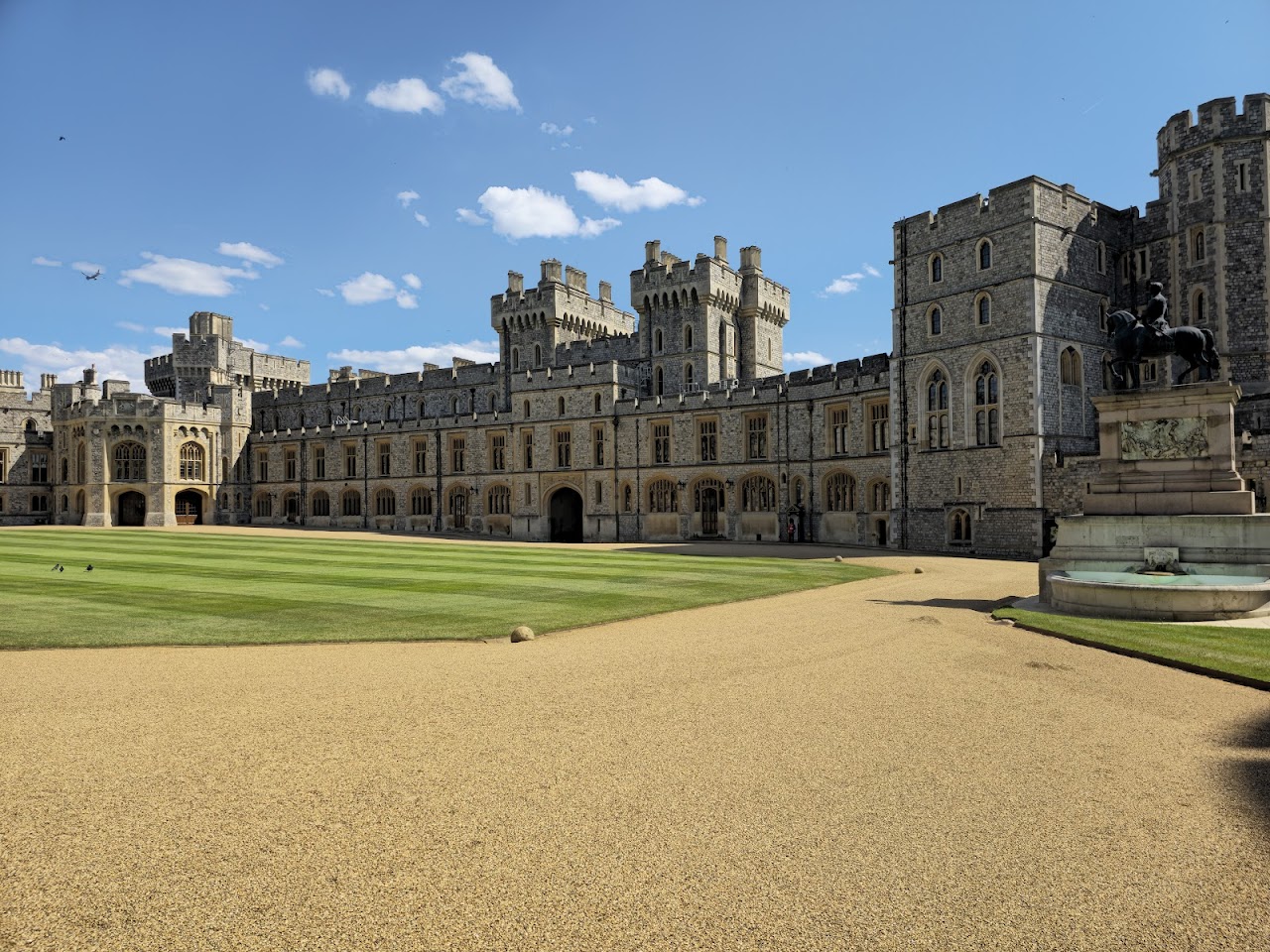
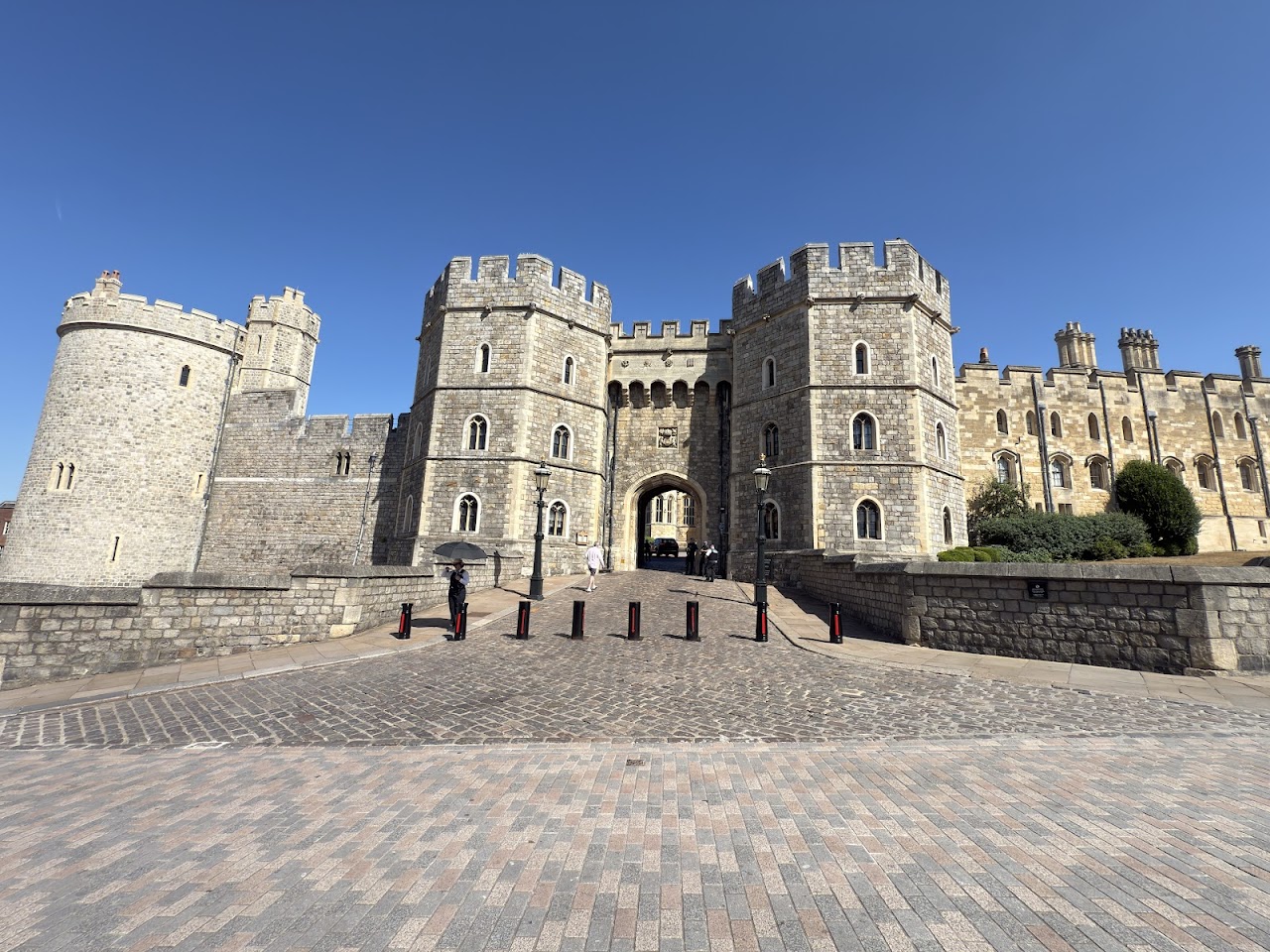
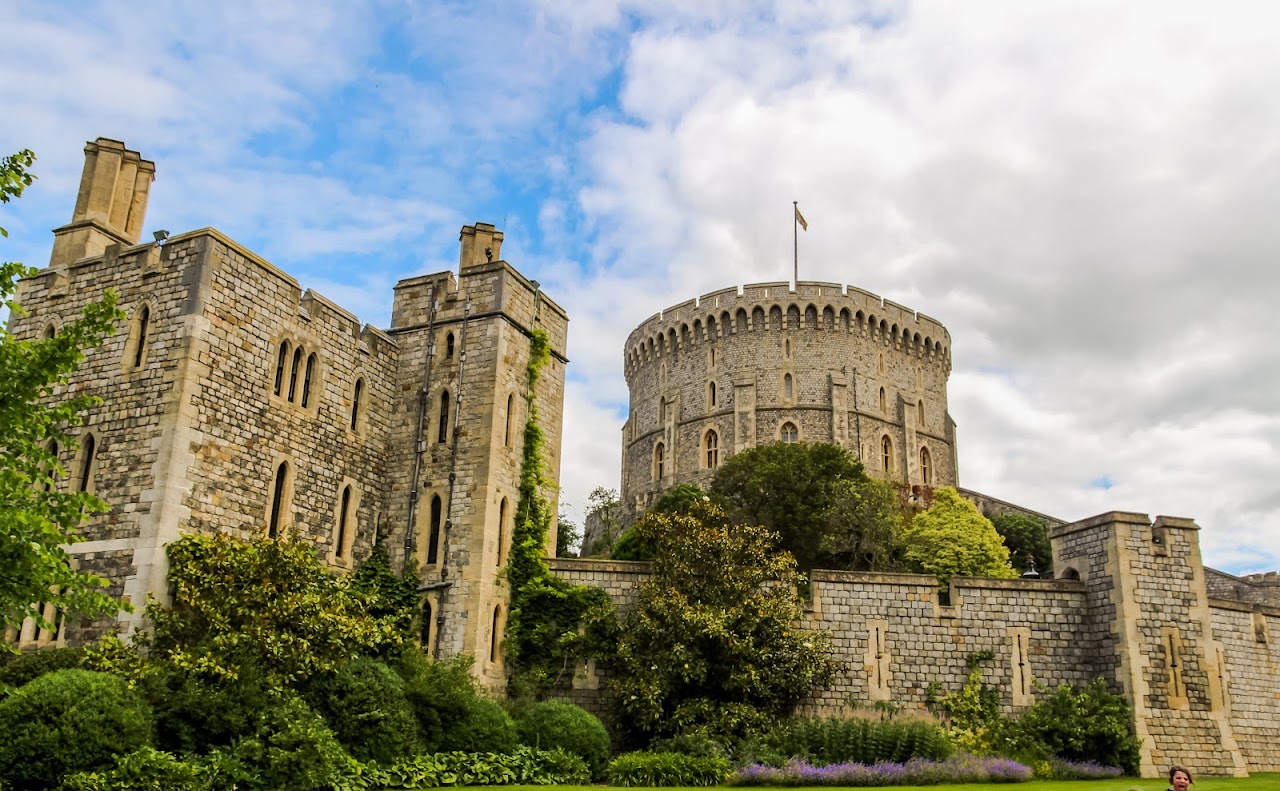
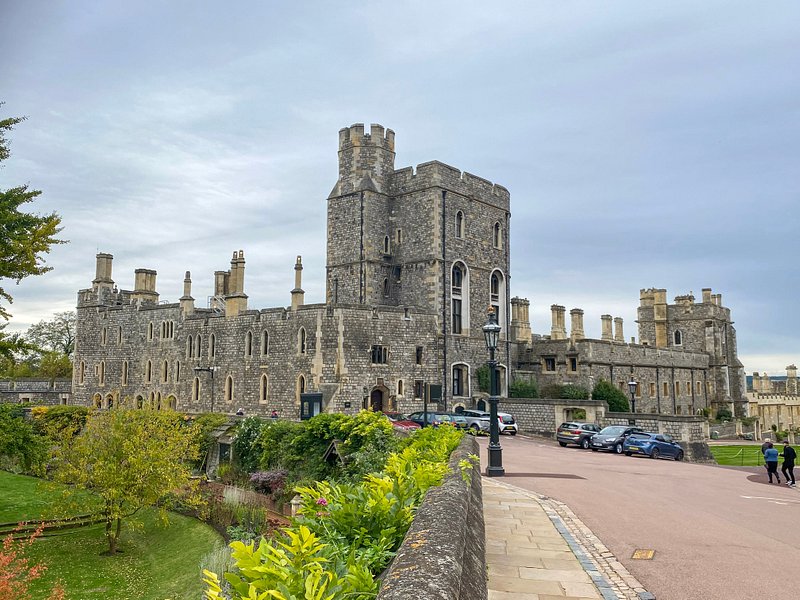
There is a particular quality of light inside Windsor Castle that exists nowhere else — the way it filters through medieval glass and lands on gold leaf that has been polished by the same family's servants for nearly a thousand years. This is not a museum pretending to be a palace. It is a palace that occasionally lets you in.
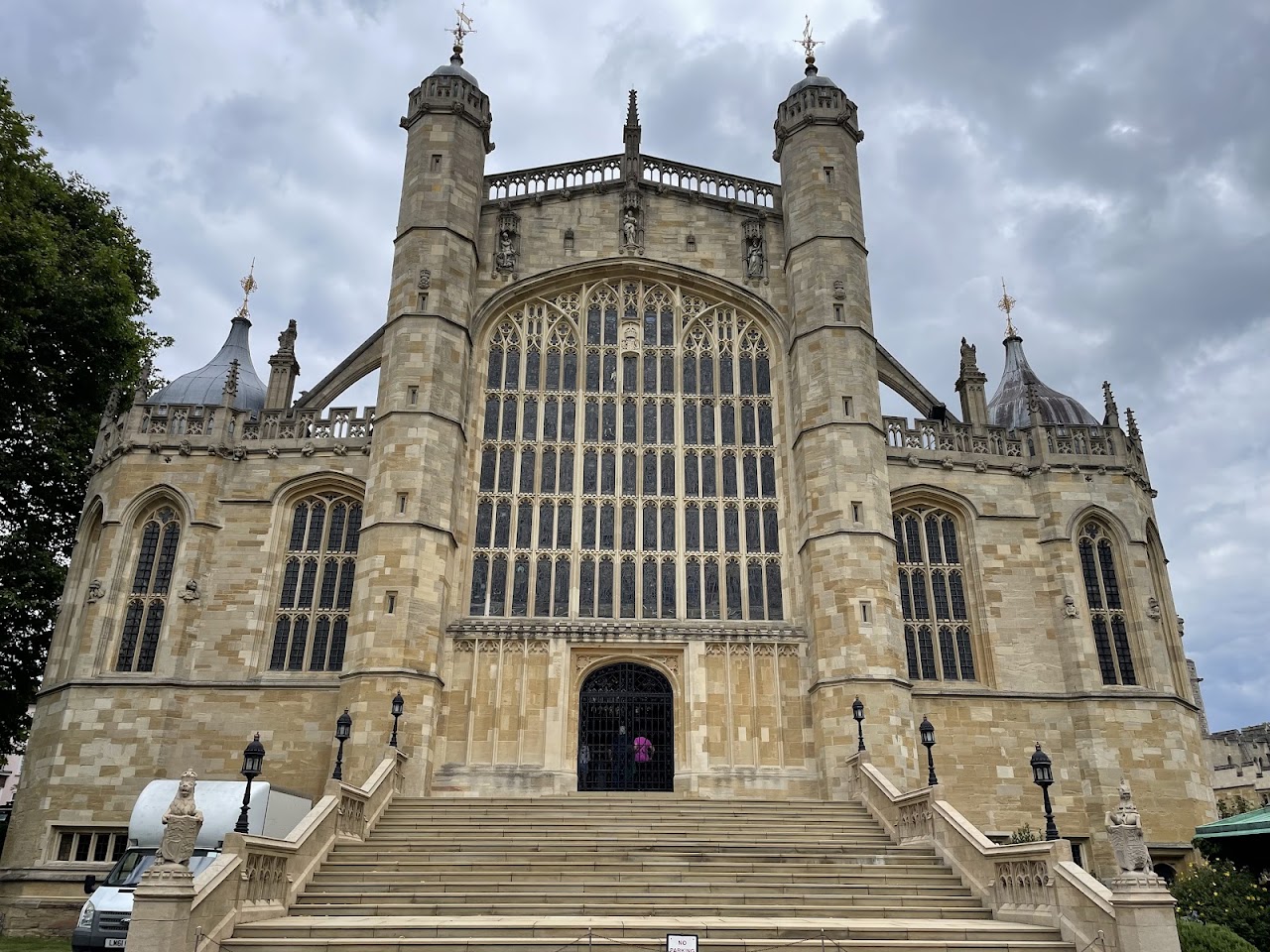
William the Conqueror chose this chalk bluff above the Thames in 1070, and every monarch since has added their signature. The Semi-State Rooms drip with Gobelins tapestries and Sèvres porcelain. St George's Chapel — the final resting place of Henry VIII, Charles I, and Elizabeth II — is a masterpiece of Perpendicular Gothic that rivals anything in France. The Waterloo Chamber, built to celebrate victory over Napoleon, seats 150 at a single table beneath Thomas Lawrence's portraits of the allied leaders.
Walking the Grand Corridor today, past Canalettos and Rembrandts hung almost casually on crimson damask walls, you catch glimpses of the life still being lived here. A footman adjusts flowers. A clock you cannot see chimes somewhere deep in the castle. The State Apartments close when the King is in residence — look for the Royal Standard flying overhead, and you'll know.
Videos
Loading videos...
Getting There
Terrain & Accessibility
Windsor Castle has invested significantly in accessibility. The State Apartments have step-free access via a lift, and free wheelchairs are available from the Admission Centre. St George's Chapel has ramped access. The cobbled Lower Ward and some medieval passages remain challenging for wheelchair users. A tactile model and audio-described guides are available.
Visitor Reviews
Loading reviews...